
 Author: Laura Bulmer
For many SMEs, document management software (DMS) moves from “nice to have” to “business critical” surprisingly quickly.
As businesses grow, paper files, shared drives and email based storage and processes simply don’t scale well.
Below, we answer the most common questions we hear from small and mid-sized organisations across finance, manufacturing, healthcare, professional services and more.
Document management software is a secure, centralised system for storing, organising, retrieving and automating business documents.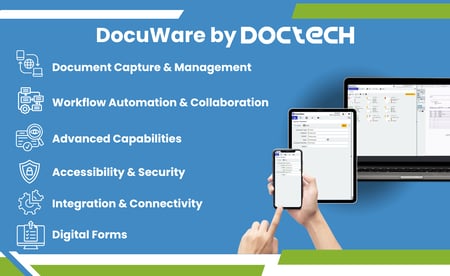
While large enterprises adopted DMS earrly, modern solutions like DocuWare are designed specifically with SMEs in mind. Cloud deployment, subscription pricing and scalable licensing mean smaller organisations can access enterprise-grade functionality without enterprise-level complexity.
For growing businesses, a Document Management System often becomes the foundation for digital transformation.
SMEs often rely on:
These systems work — until they don’t. Common pain points include:
A document management solution introduces structure, visibility and control without adding administrative burden.
Modern Document Management Systems go beyond storage. They helpt to automate the following processes:
Security is a primary concern for SMEs — particularly in regulated sectors.
Leading systems such as DocuWare offer:
This is particularly valuable for industries handling sensitive data, such as healthcare providers, financial services firms and legal practices.
One of the biggest concerns for SMEs is disruption. Modern document management platforms integrate seamlessly with: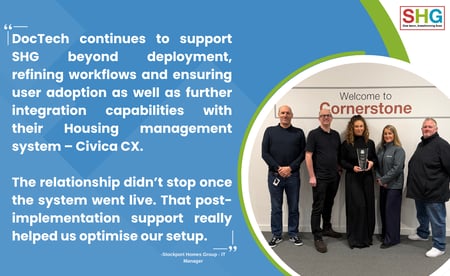
This ensures documents and data flow between systems, reducing manual input and eliminating silos. Integration is often where SMEs see the greatest return on investment.
While any business that handles documents can benefit, certain departments and processes within industries see particularly strong results:
For SMEs in regulated or document-heavy sectors, Document Management Software is often transformative.
Most SMEs opt for cloud deployment of Document Management Systems due to: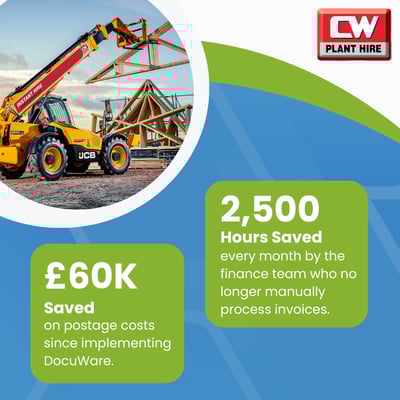
However, on-premise options remain available for organisations with specific infrastructure or compliance requirements.
The key is flexibility — choosing a system that adapts to your business, not the other way around.
Implementation times vary depending on complexity and integrations, but many SMEs can begin automating core processes (such as invoice approvals) within weeks rather than months.
Starting with one department — often Finance or HR — allows organisations to see quick wins before expanding across the business.
Cost is a major concern for SMEs. Modern Document Management Solutions are subscription-based and scalable. Businesses pay for what they need and can expand as they grow.
When comparing cost, it’s important to factor in:
You should start to consider a Document Management System if:
For SMEs in particular, implementing document management at the right stage prevents operational growing pains later.
Document management software is no longer just about going paperless. It’s about enabling SMEs to operate with the efficiency, control and professionalism of much larger organisations.
With scalable platforms such as DocuWare and experienced implementation support, even small teams can transform how they manage information — securely, efficiently and in full compliance.

 info@doctech.co.uk
 0161 647 7040